

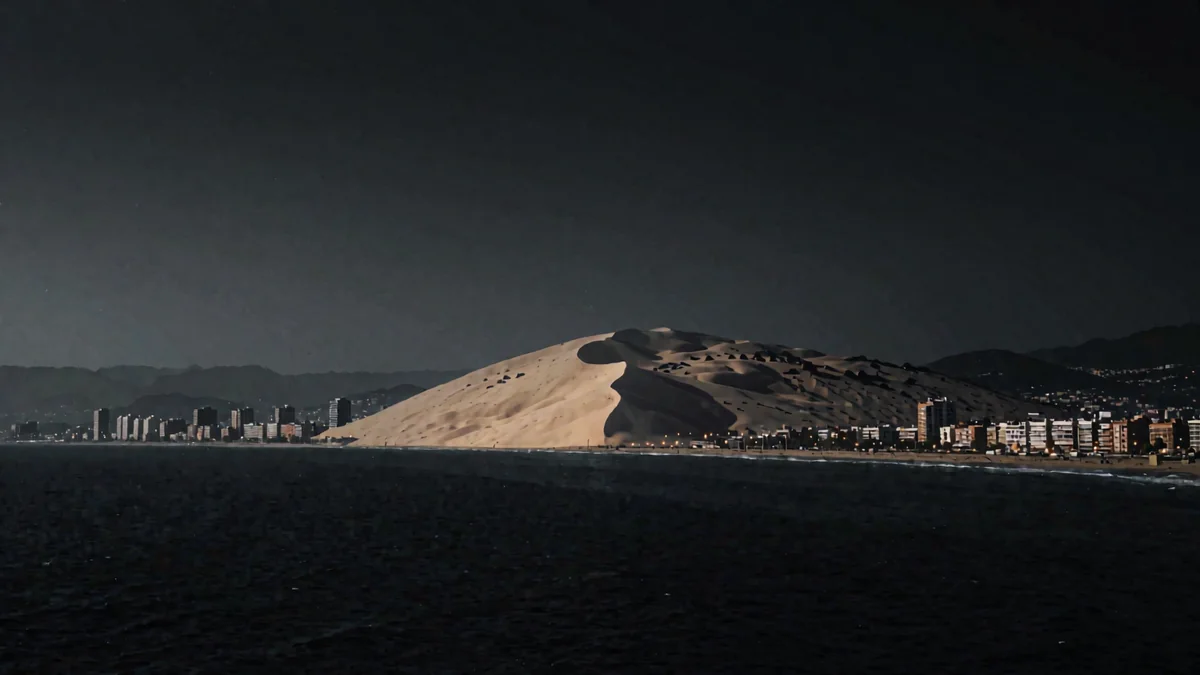
The Tarapacá Region lives off Iquique and its free-trade zone, through which thousands of imported cars enter and later circulate across the whole country, off mining in the pampa and off the border with Bolivia at Colchane; Routes 5 and 16 join the coast with Alto Hospicio, Pozo Almonte and the mining operations. Trucks, shift buses and freshly imported cars share desert routes. Each comuna has its local police court, Carabineros issues fines on the routes and the cameras register by plate in the Civil Registry.
Context and authorities
Traffic fines are sanctions applied by the local police court of each comuna under Law 18.290, with amounts in monthly tax units according to the seriousness of the infraction; those on motorways and highways are issued by Carabineros, and the cameras and gantries of a concessioned motorway generate complaints that arrive by post. An unpaid fine is entered in the Civil Registry’s register and blocks the circulation permit until it is paid.
The local police courts of Iquique, Alto Hospicio and Pozo Almonte rule on the fines of their comunas, with parking enforcement downtown and in the free-trade zone and load checks on the climb to Alto Hospicio; Carabineros issues speeding and documentation fines on Routes 5 and 16. Registered fines block the circulation permit until they are paid.
What the API returns for this jurisdiction
In the Tarapacá Region a plate is sent to the Chile fines API, which walks its integrated sources and returns each fine with the authority that recorded it:
- The authority that recorded the fine and its identifier, unnormalised.
- The date and reason, with the comuna if the source reports it.
- The amount and status current at the source.
- Which sources answered and which did not, on every lookup.
How to check a plate in the Tarapacá Region
To check a plate by hand, the Civil Registry’s certificate of unpaid traffic fines, requested online with Clave Única, shows the registered fines of any comuna; fines with a summons to the driver are checked at the local police court of the comuna. With ten units that is enough; with a hundred, the API walks the integrated sources by plate and returns the result split by authority.
What to watch if you run a fleet in the Tarapacá Region
An importer or a dealership in the free-trade zone moving freshly imported cars to other regions piles up Carabineros fines on Route 5 on plates that do not yet have a final owner; the plate lookup before each delivery, with the result stored, avoids selling a car with a registered fine.
A mining fleet rotating pickups between Iquique and the pampa operations piles up court and Carabineros fines on units that change crew every shift; the monthly plate lookup, stored per authority, assigns them while the shift record exists.
How to integrate
Each vehicle is sent in a POST, with the jurisdictions to include if you do not want to query all of them. The response accepts the job and the result is retrieved by status lookup or arrives by webhook once the sources finish answering. The vehicle lookup quality guide explains how to handle a source that did not answer.
{
  "plate": "BBBB10",
  "jurisdictions": [
    "CL-TA"
  ]
}
Limits and considerations
- Fines with a summons to the driver are processed at the corresponding local police court and are not always entered in the plate register.
- Amounts in monthly tax units are converted at the value of the month of payment; the final amount is set by the court.
- A source that does not answer is reported as such, never as an absence of fines.
- The API neither pays fines nor files defences; it delivers information to decide.