
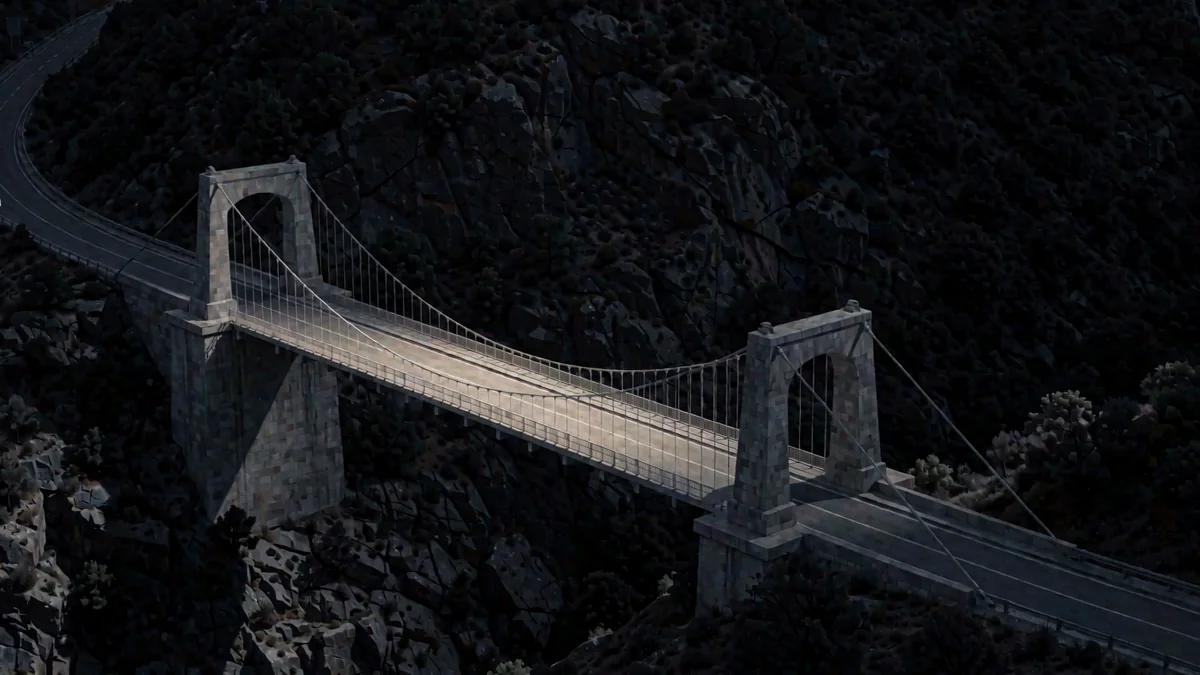
Durango is a state of long highways: the motorway to Mazatlán crosses the Sierra Madre over the Baluarte bridge and links the north with the Pacific, Highway 40 joins the capital with Gómez Palacio and Lerdo in the Laguna, and Highway 45 climbs towards Chihuahua. Mining, forestry and freight fleets travel hundreds of kilometres between cities. Urban infractions are issued by the municipal transit offices of Durango and Gómez Palacio, and those on state roads by the state police; debts are collected with the state renewal.
Context and authorities
Infractions are sanctioned under the state traffic regulation, with amounts set in Unidades de Medida y Actualización (UMA) and updated every year; unpaid ones accumulate as vehicle debts and block procedures such as plate renewal, change of ownership or verification. The Durango Government portal publishes official information.
The capital’s transit office and those of the Laguna issue urban infractions and collect them at their treasuries; the state police covers the state highways and the National Guard the motorway to Mazatlán and federal Highways 40 and 45. The state finance secretariat adds vehicle debts to the renewal and re-plating, and infractions in the Laguna are split between Durango and Coahuila depending on which side of the river they occur.
What the API returns for this entity
In Durango a plate lookup walks the integrated sources of the Mexico fines API and returns each infraction with the authority that recorded it, as the source publishes it:
- Authority and infraction folio exactly as the source publishes them.
- Date, location when reported and reason for the sanction.
- Amount, status and current discounts published by that authority.
- Payment line or reference when the source offers one.
- Coverage per source and partial-result flag.
How to check a plate in Durango
A plate is checked by hand at the Durango Government portal and, for the vehicle’s identity, at the REPUVE. The API does the same round at scale and returns each infraction with the authority that recorded it, so verification becomes part of the fleet process rather than a spreadsheet.
What to watch if you run a fleet in Durango
A mining or forestry fleet rotating pickups between mountain projects and the capital piles up state infractions on highways nobody travels twice a week, and the notice reaches the company when the pickup has already changed driver; looking up each plate at month end, with the result stored per authority, lets you assign them while the project log exists.
For a Laguna company with units registered in Durango and Coahuila, the plate lookup before each renewal separates the debts of each state and prevents a forgotten one from blocking the procedure across the river.
How to integrate
A lookup is a POST with the plate and, optionally, the entities to include; the initial response accepts the job and the result arrives by status lookup or webhook, because official sources answer in seconds or minutes. The asynchronous APIs guide explains how to retry without duplicating work and the API page details access.
{
  "plate": "ABC123A",
  "jurisdictions": [
    "MX-DUR"
  ]
}
Limits and considerations
- Infractions on federal highways are issued by the National Guard and paid separately from state debts.
- UMA amounts are updated every year; the final amount is set by the authority at the time of payment.
- A source that does not answer is reported as such, never as an absence of infractions.
- The API neither pays fines nor handles clarifications; it delivers information to decide.